
I Cloned Notion in 5 Hours
 Jack Ryder·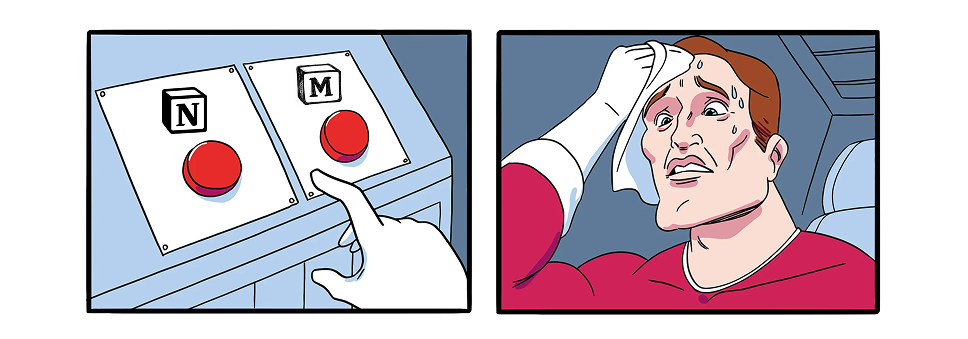
Find the open-sourced project here: motion-oss
This happened last Saturday.
On Sunday I spent another 5 hours polishing and by Tuesday our team of 30 had been migrated onto Motion™️.
Every founder I've told this story to has had the same response: "What the fuck."
I used to think the SaaSpocolypse / SaaSmageddon / the death of SaaS was overblown.. until last Saturday.
Who has the time to rebuild something like Notion?
Apparently, me. And it was far easier than I expected.
More importantly, it's only getting easier. What took 5 hours soon becomes 5 minutes.
Over the past few days, I've seen the same idea gain momentum on X. Guillaume at Vercel, David Senra on TBPN even David Friedberg on All-In have all spoke about this. Friedberg even said he'd rebuilt an internal SaaS app at 11:30pm on a Sunday night.
SaaS won the past decade
Remember 12 months ago when building software was slow, expensive and hard?
In that era, paying a monthly subscription was obviously more economical than hiring people to build custom software yourself.
That was the foundation of SaaS.
But AI coding agents are collapsing the cost and time required to build software.
Cloning Notion in 5 hours
This idea has been building in my head over the past few weeks due to:
- Opus 4.6
- Flare's team growing quickly
Our Notion bill was becoming noticeable. We were paying more than $500 per month.
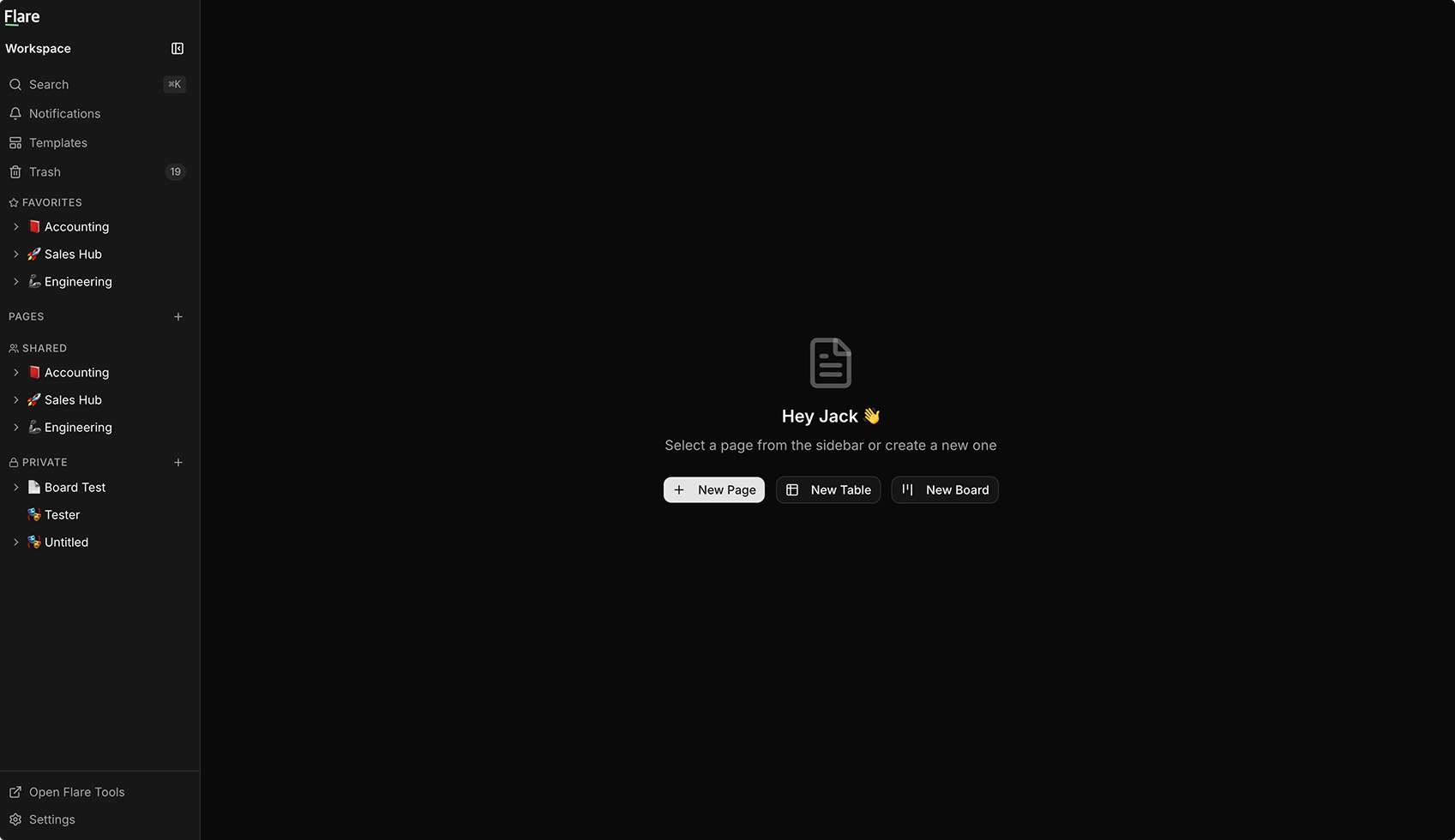
With Cursor, I supplied an incredibly simple initial prompt and had something usable within 15 minutes.
From there the hard part wasn't coding, it was deciding what mattered.
Features like search, deletion, guest sharing, sub page behaviour required more detailed prompting to get production-ready.
It actually turned out to be a fun Saturday because of all the custom Notion features that were suddenly unlocked.
For example, I added teams to Motion and Flare-specific logic for assigning users. I added stronger deletion and locked down critical documents that should never be removed. I added AI drafting tools so going from 0 to 1 on a new file, using our internal document structure, became smoother.
I packaged the project up as motion-oss, a public open-source repo for anyone - or any agent - to use.
Who dies first?
The most exposed tools in my opinion are the ones whose value lies within the UI, usability and design layer.
Think, Notion, Linear, Asana, Airtable.
That doesn't mean they disappear overnight. But it does mean their value prop starts to look very different when a motivated founder can quickly produce a clone.
It's worth adding: these companies have incredible founders and I bet that many are extremely capable of building new features to stay relevant. But change is required.
Another argument I've seen is that seat-based models will suffer. I think that is directionally true, but I'm less convinced it's the whole story. If we end up with thousands of agents using software on our behalf, then usage may explode rather than shrink. Yes pricing models will need to change but I don't think seat-based will have to go away.
It's not a full blown extinction
There's going to be some serious SaaS winners here.
Particularly those that act as a system of record (QuickBooks), have compliance depth (Deel), proprietary data (Snowflake), network effects (GitHub), unique distribution (Shopify) or quickly become agent-first.
These tools will likely see a surge in usage as agents begin to increasingly automate human jobs, operating on top of the existing human-used systems that are too cumbersome for the agent to rebuild (at the moment).
One open question I think about is whether this class of SaaS apps will embrace their new agent customers. If they don't, they run the risk of losing ground to competitors which do.
The Real Takeaway
The SaaSpocolypse is not murdering all SaaS.
It's killing apps that were renting out coding scarcity.
What we're really watching is a repricing of what code is worth.
More articles
Where do $100T companies come from?
Congratulations, you survived the AI jobs apocalypses of 2025 and 2026 (so far)!

Do we need a Company Brain or Nervous System?
AI models are already intelligent enough! So why is it still so hard to deploy AI inside a company?
The Great Orchestration
Today, everyone is focused on building better AI agents. The next bottleneck is orchestration.